Play Steps – UPDATED

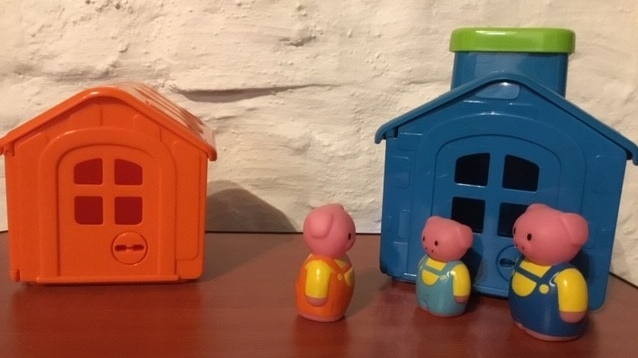
Play Steps takes a closer look at different types of play demonstrated by children in activities commonly found in Early Learning and Childcare settings.  The sections are designed to be used independently focusing on the interests of the child or the areas where specific needs have been identified. 

The updated version and more guidance can be found using the following link.

Play Steps

A guide for pupils with ASN returning to school

This useful document was put together by the support team based at the Pines in Inverness. They have pulled together some useful links for supporting pupils on their return to school in August.

‘Please find attached a simple guide to user friendly resources to support children with ASN returning to school in August

The Pines Neurodevelopmental Service in Highland.

Are you gathering the views of the children and young people you work with?

Tools for gathering the views of children and young people

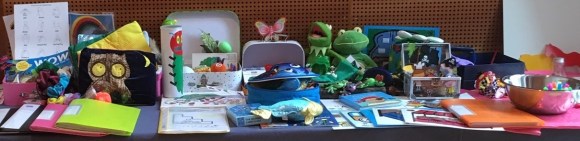
This universal pack of ideas includes a range of attractive, interactive tools devised and collated by Highland Council Psychological Service. They follow a developmental sequence to allow you to select the most suitable approaches for gathering child views at all ages and stages.

Transition Tools

We have recently been reviewing all our transition documents, templates and tools, taking into account recommendations from Realising the ambition: Being Me.

We realise that there is a lot of work going on around transitions nationally and locally due to the impact of COVID-19 but wanted to update and add to our range of documents.

Things may look different after the summer but there are some things that will stay the same. Preparation still needs to go on around sharing information on children’s needs and planning as best we can how to meet those needs.

New document to support transitions for ASN in Highland

Transitions for children and young people with ASN

How beginnings and endings are managed is important for our wellbeing, our sense of connection and belonging.

The circumstances which led to the rapid closure of schools in March meant that we were limited in the work we could do to plan for and support the transition out of school and to home for what was to be an unknown and extended period of time. During this time of school closure education staff have been acutely aware of the impact of inequality for some of our families, especially those with identified additional support needs.

Transitions for children and young people with ASN, June 2020

To access the full document and other transition support documents and links please follow this link.

Updated EASEYS!

Over the last few months we have been reviewing the EASEYS for ASN linking them to Realising the Ambition and this years INSET training materials to reflect current thinking and key messages in Early Years.

8 EASEYS have now been updated so if you have previously downloaded these documents please check for the new version. These are the updated ones dated either March or April 2020 in the footer:

  • Communication with Home
  • Feelings in Me, Feelings in You
  • Gathering the Young Child’s Views
  • Intensive Interaction
  • Meeting Additional Support Needs
  • Towards Self-Regulation
  • Quiet Time
  • Supporting Learning at Home for Early Years ASN

Play Ideas

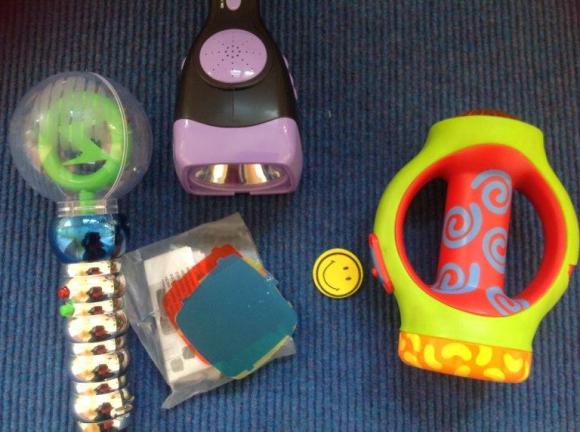
We have a new tab on the Blog which some of you may have already noticed and are accessing. The tab, ‘Play Ideas’, contains a selection of practical suggestions for developing play with additional support needs in mind. They may contain more sensory elements or have been broken down into smaller steps to help build up skills gradually.

The list of Play Ideas is being added to regularly so please ‘follow’ to get updates as they are added.

If there is any topic or activity you would like to see elaborated in this way please let us know via the ‘comments’.

Supporting learning at home for early years ASN

To help support learning at home for families of children with additional support needs, while their Early Learning and Childcare settings are closed, we have pulled together some ideas, activities and useful weblinks.

Not all of these may be relevant to you or your child but we hope you will find something helpful or something they like to support you through the days and weeks ahead.

Pre-school Home Visiting Teachers (PSHVT)

Please note that all PSHVTs are currently working from home, term-time. We are all contactable, as usual, by email or mobile phone (we are not able to access office phones and messages) and available for consultation. Please don’t hesitate to get in touch.

This Blog contains a selection of materials from the Highland Council Psychological Service. The PSHVT sections are targeted at Early Years: Additional Support Needs topics (EASEYS for ASN), Play Ideas and  links to other good practice in ASN. Please explore the tabs above and ‘follow’ to get updates and new materials as they are published.

PSHVTs are contributing ideas to the Daily Tips being published on the Bumps2Bairns Blog. Please ‘follow’ Bumps2Bairns.  

Highland’s core training materials

As part of the strategic plan for transforming and improving educational experiences and outcomes for children and young people in Highland, priority sessions of core training have been delivered this session for all staff on authority in-service days. The aim is to use these days as a starting point for wider discussion and development at a school level, with specialist services available to support the further implementation and embedding of skills as appropriate.

There are three training topics and all the materials needed related to the training are available on the following pages.

Promoting Positive Relationships

Neurodevelopmental Differences

Differentiation

Differentiation in the Early Years

Gathering the young child’s views

More and more we are being encouraged to gather the views of young children with Additional Support Needs around their likes and dislikes, emotions and feelings, friendships and things that matter to them.

This document includes some tools and strategies which might help to ensure that we are gathering the child’s views and giving them a voice not only during the Highland Practice Model Process but thinking beyond the Child’s Plan.

See the EASEYS for ASN Gathering the young child’s views for a selection of ideas. Ensure to match the strategy you choose to the child’s strengths, interests and communication level.