Play is a huge part of early communication, but for young children with Additional Support Needs, connecting can sometimes feel like a puzzle. Parents, carers, and practitioners often wonder: How do I join in without causing stress? How do I know if they want me there?
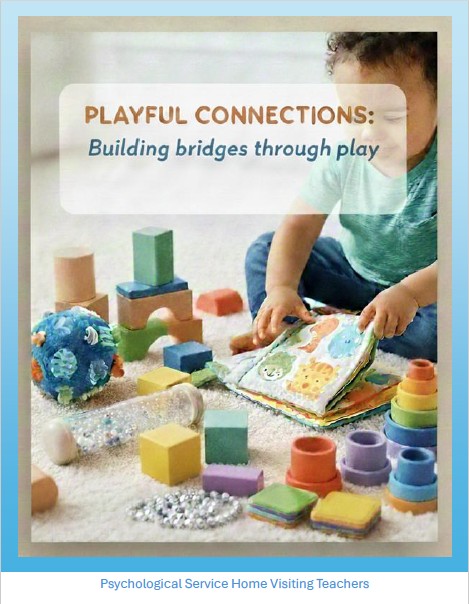
To help, the Psychological Service Home Visiting Teachers have created a new booklet: Playful Connections. It shifts the focus away from structured play to focus on what truly matters: building meaningful, joyful relationships.
Honouring Children’s Rights & Voice
At the heart of Playful Connections is a deep commitment to the UNCRC: the right to play, and the right to have choices and feelings respected.
For children with complex communication needs, “voice” is expressed through body language, facial expressions, and sounds. The booklet explores two vital concepts to honour this autonomy:
- Assent (Saying “Yes” with actions): Reading the subtle, non-verbal cues that show a child is happily engaged and wants us to join in.
- Consent (Respecting boundaries): Recognising when a child is signaling “not right now” or “I need space,” and safely seeking permission without overwhelming them.
By tuning into these signals, we show children that their choices matter, laying a secure foundation for trust and self-advocacy.
There is no single “right” way to play. We hope this resource gives you the confidence to slow down, notice the small signals, and build gentle bridges of connection.
This booklet can be found within the Families or the Practitioner sections of the Blog.