
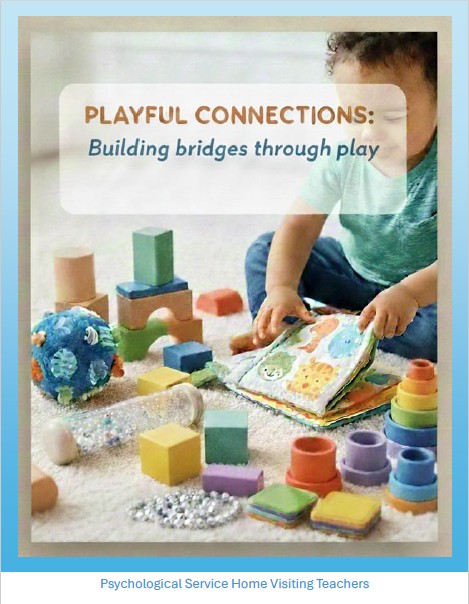
Play is a huge part of a child’s early communication, but for very young children with Additional Support Needs connecting through play can sometimes feel like a puzzle. As parents, carers, and Early Years Practitioners, we often find ourselves wondering: How do I join in without causing stress? How do I know if they want me there?
This booklet was created by the Psychological Service Home Visiting Teachers to help you navigate those moments. It is designed to shift the focus away from traditional “structured” play and instead focus on what truly matters: building meaningful, joyful relationships.
Inside, you will find:
- The Trusted Play Partner Approach: A way of playing that encourages us to follow your child’s lead, embracing their unique interests, and focusing on the shared experience rather than a goal.
- Understanding Assent and Consent: Practical guidance on reading a child’s non-verbal cues (like body language, facial expressions, and sounds) to know exactly when they are saying “yes” to playing together, and how to safely seek their permission without overwhelming them.
- Play Ideas that Build Connections: A collection of simple, everyday play routines (from “Teddies in a bed!” to “Sticky pompoms”) carefully selected to spark curiosity, reduce the pressure to answer questions, and encourage communication.
- Play Routine Guidance: Ideas to help you plan your own play sessions for children who might need a little more repetition and predictability in their play.
Every child is different and there is no single “right” way to play. We hope this booklet gives you the confidence to slow down, notice the small signals, and build gentle bridges of connection with the child in your care.

