
This paper (written by Victoria Shepherd, an Educational Psychologist working in Highland) shares research carried out within Scotland exploring peer support for secondary pupils with experience of self-harm. It is widely suggested that friends are a main source of support for young people who self-harm, yet limited research explores specific supports offered by friends, or any help required to provide successful support. Qualitative data were gathered from secondary pupils via semi-structured interviews. Findings indicated that friends provide support by being directly there for young people, providing distractions and taking responsibility. Friends could consider young people’s perspectives more, initiate conversations about self-harm and spend more time with young people. Supportive friends speak to others for reassurance and would like additional people to provide support. Implications for practice included highlighting support provided by friends, normalising the term ‘self-harm’ and providing peer support training for friends.
A guide for pupils with ASN returning to school
This useful document was put together by the support team based at the Pines in Inverness. They have pulled together some useful links for supporting pupils on their return to school in August.
‘Please find attached a simple guide to user friendly resources to support children with ASN returning to school in August
The Pines Neurodevelopmental Service in Highland.
Move more, sit less
How can we help our children to learn?

Exercise lifts our mood and helps us to think clearly. This is one of the messages highlighted in What the Brain Needs to Learn and Develop. This PowerPoint contains information for parents and carers about supporting children’s learning.
Worries and anxieties ~ information for families and schools
At the end of 2019, as part of ongoing discussions about helping families to support pupils, Millburn Academy staff asked for information for the school website about supporting young people experiencing anxiety. Emma Campbell, Primary Mental Health Worker (PMHW) and Team Lead for the PMHW service, was doing some similar systemic work for Fortrose Academy. We decided to work together with Kirsty Jarvie, Children Services Worker (CSW), to make a resource that could be linked to school websites and easily shared as an early intervention. Having a mental health resource that is easy to share and access is especially important in a mostly rural area like Highland.
Use this link to access information on worries and anxieties.
We hope this information is useful. Please let us know by using the comments if you have any feedback or ideas for improvement or further development.
Play Ideas

We have a new tab on the Blog which some of you may have already noticed and are accessing. The tab, ‘Play Ideas’, contains a selection of practical suggestions for developing play with additional support needs in mind. They may contain more sensory elements or have been broken down into smaller steps to help build up skills gradually.
The list of Play Ideas is being added to regularly so please ‘follow’ to get updates as they are added.
If there is any topic or activity you would like to see elaborated in this way please let us know via the ‘comments’.
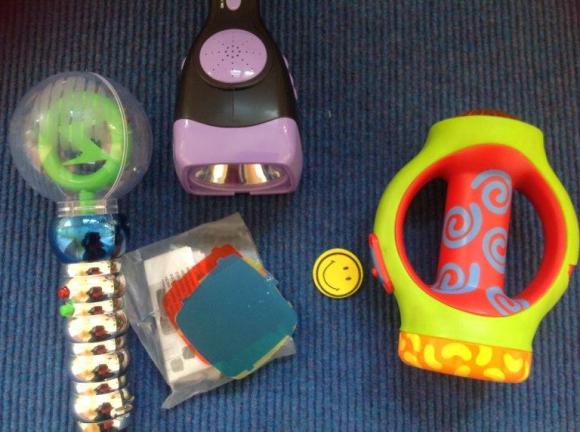
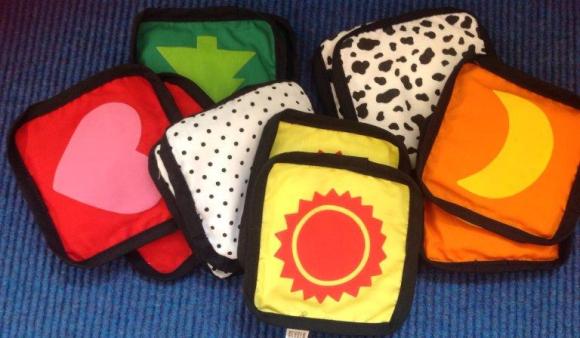
Supporting learning at home for early years ASN
To help support learning at home for families of children with additional support needs, while their Early Learning and Childcare settings are closed, we have pulled together some ideas, activities and useful weblinks.
Not all of these may be relevant to you or your child but we hope you will find something helpful or something they like to support you through the days and weeks ahead.
Pre-school Home Visiting Teachers (PSHVT)
Please note that all PSHVTs are currently working from home, term-time. We are all contactable, as usual, by email or mobile phone (we are not able to access office phones and messages) and available for consultation. Please don’t hesitate to get in touch.
This Blog contains a selection of materials from the Highland Council Psychological Service. The PSHVT sections are targeted at Early Years: Additional Support Needs topics (EASEYS for ASN), Play Ideas and links to other good practice in ASN. Please explore the tabs above and ‘follow’ to get updates and new materials as they are published.
PSHVTs are contributing ideas to the Daily Tips being published on the Bumps2Bairns Blog. Please ‘follow’ Bumps2Bairns.
 Highland Council Psychological Service