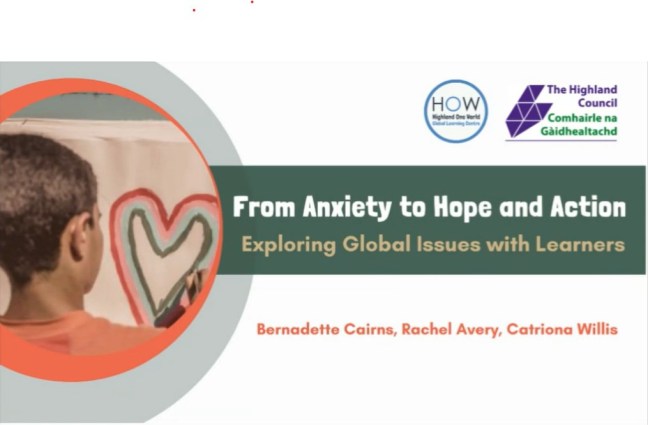
On the February In-service day 2024, Highland One World (HOW) facilitated a session supporting school staff to consider how to support children and young people to move from ‘Anxiety to Hope and Action’. The session was jointly created by HOW and the Highland Psychological Service, who had gathered information from young people across Highland, that indicated a high level of concern about a range of ‘world events’ and how children were impacted by media reports about these issues. The session considered with practitioners the world events that are causing anxiety for many pupils – climate change, war, political disruption etc. The session looked at why these issues cause anxiety in some children and gave very practical examples of how children can be supported by the adults around them to take control of the things they can and to take positive action to address some of the issues in a way that reduces the negative impact on them personally. This session has been distilled to a one hour recording that provides accessible, helpful information to any practitioner working with children and young people in this very important area. This session can be accessed here:
Christmas can be fun and exciting for children and young people, but for those with additional support needs it’s a season that might bring additional challenges. Whether or not you and your family celebrate Christmas, its difficult to avoid the potential impact at home, in the community, and in our schools and nurseries.
It’s a time that can be confusing for children whose families do not celebrate Christmas. Some children live in a blended family or share their time between two households where family traditions and expectations can be different. Navigating all of this can be an added pressure for children with additional support needs.
For some practical ideas to support this have a look at the Planning for Christmas page.
My Rights to Wellbeing is a universal programme, to support the knowledge and understanding of children’s rights. The programme aims to encourage children to develop their emotional language and promotes an understanding of themselves and their social relationships, both within their families and their wider communities.
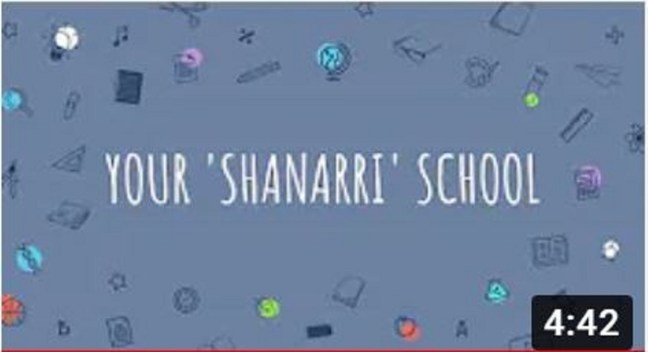
As a follow up to our infographic detailing our journey so far in ‘Co-producing a Mental Health and Wellbeing Evaluation Tool with Children & Young People’ we thought you may be interested to find out more. Today we are sharing a short video detailing some of what our C&YP across Highland have told us about what SHANARRI really looks, sounds and feels like to them, and also what they think it should look like in their schools.
This video is part of a suite of resources that will sit alongside our completed wellbeing self-evaluation tool, and it can be used to introduce the survey to the C&YP before they complete it. If you are in a school and are interested in getting involved, or using the self-evaluation tool please get in touch with jo.chamberlain@highland.gov.uk
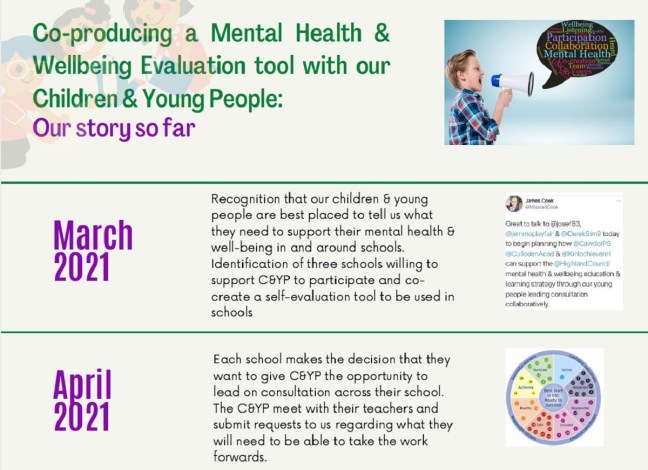
As a service we have been working with Children and Young People (C&YP) across Highland to develop a Wellbeing Evaluation Tool for schools, based on the wellbeing indicators. We wanted to be able to support schools to identify (through hearing the voice of all of their pupils) how C&YP feel that their wellbeing needs are being met while they are in school.
Read our story so far…hearing what it looks, sounds and feels like to be in a SHANARRI school.
The run up to Christmas looks different for everyone. For some children and young people there can be challenges that might benefit from extra planning. For some ideas have a look at the Planning for Christmas page within the Supporting Families section of this Blog.
The Pines, Neurodevelopmental Support Centre for Highland, based in Inverness is holding a coffee morning for parents, carers and professionals to share strategies which might help.
“Christmas can be a very stressful time for families and having some strategies to support your young person might help. Shona MacPherson from the Pines Speech & Language Therapy team has lots of ideas!”
Whenever a tragedy occurs, children, like many people, may be confused or frightened. Most likely they will look to adults for information and guidance on how to react. School staff can help children cope first and foremost by establishing a sense of safety and security.
Advice within this Guidance aims to support staff and to give them the confidence to appropriately respond to children and young people at this time.
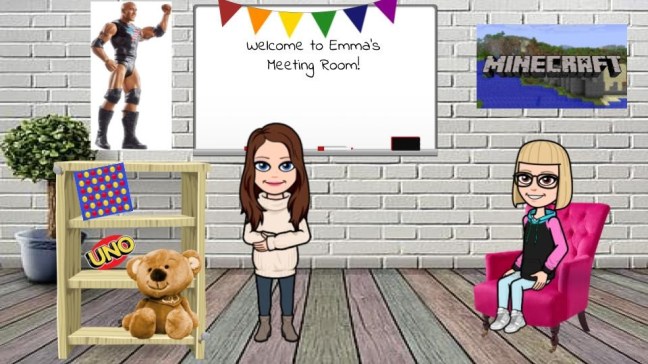
Online meetings are now a part of everyday life in our new ways of working. However, one of the challenges of online meetings is how to engage with young people in a meaningful way when we are unable to meet them in person. A creative response to this challenge has been the use of ‘virtual rooms’. If you want to know more about setting up your own room, follow this link.
This paper (written by Victoria Shepherd, an Educational Psychologist working in Highland) shares research carried out within Scotland exploring peer support for secondary pupils with experience of self-harm. It is widely suggested that friends are a main source of support for young people who self-harm, yet limited research explores specific supports offered by friends, or any help required to provide successful support. Qualitative data were gathered from secondary pupils via semi-structured interviews. Findings indicated that friends provide support by being directly there for young people, providing distractions and taking responsibility. Friends could consider young people’s perspectives more, initiate conversations about self-harm and spend more time with young people. Supportive friends speak to others for reassurance and would like additional people to provide support. Implications for practice included highlighting support provided by friends, normalising the term ‘self-harm’ and providing peer support training for friends.
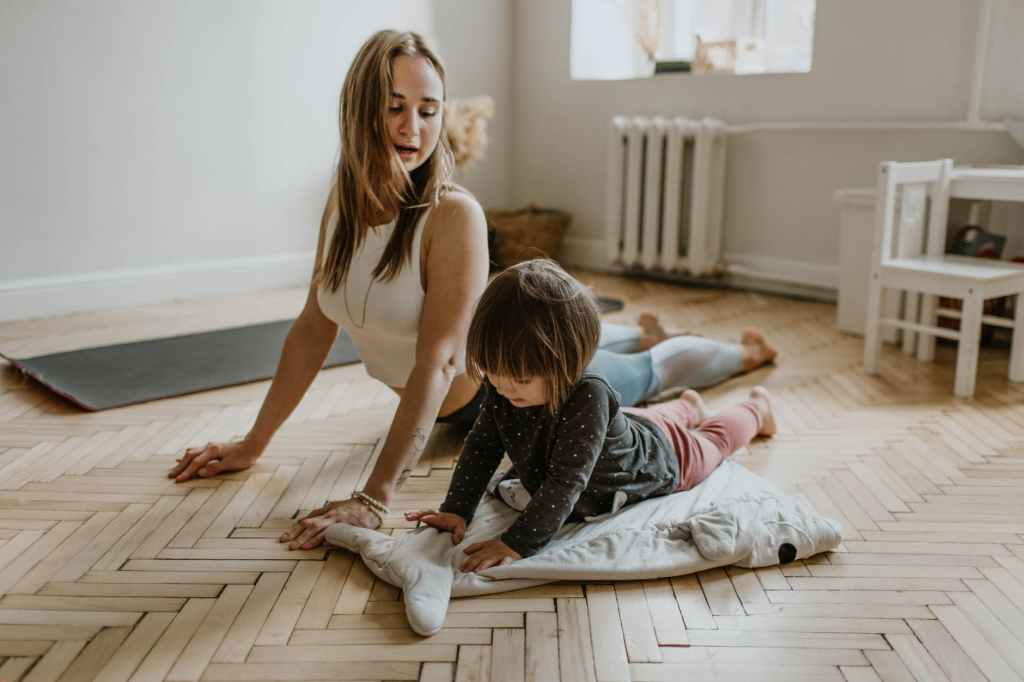
Exercise lifts our mood and helps us to think clearly. This is one of the messages highlighted in What the Brain Needs to Learn and Develop. This PowerPoint contains information for parents and carers about supporting children’s learning.



 Highland Council Psychological Service