An addition to the Play Idea series, this time on the topic of mark making, for those children who might need more support and encouragement to build their confidence.
Ideas to motivate reluctant mark makers


An addition to the Play Idea series, this time on the topic of mark making, for those children who might need more support and encouragement to build their confidence.
We have updated our Meet the Team page and contents to make it easier for you to know who we are, what we do and how to contact us.


Having a pot of bubbles can be one of the most engaging toys in your toolbox. Here are lots of ideas to support sensory play, communication, fine motor skills… Pick one that suits your child best and just have fun!

Some children may struggle with the open ended nature of using loose parts in play. This sheet of Play Ideas contains some suggestions of ways to support engagement with loose parts using ramps.

A new EASEYS for ASN has been added to our collection. This one is on the topic of making choices. Being able to make choices, in whatever form, is a child’s right and ensures that we are hearing their voice.
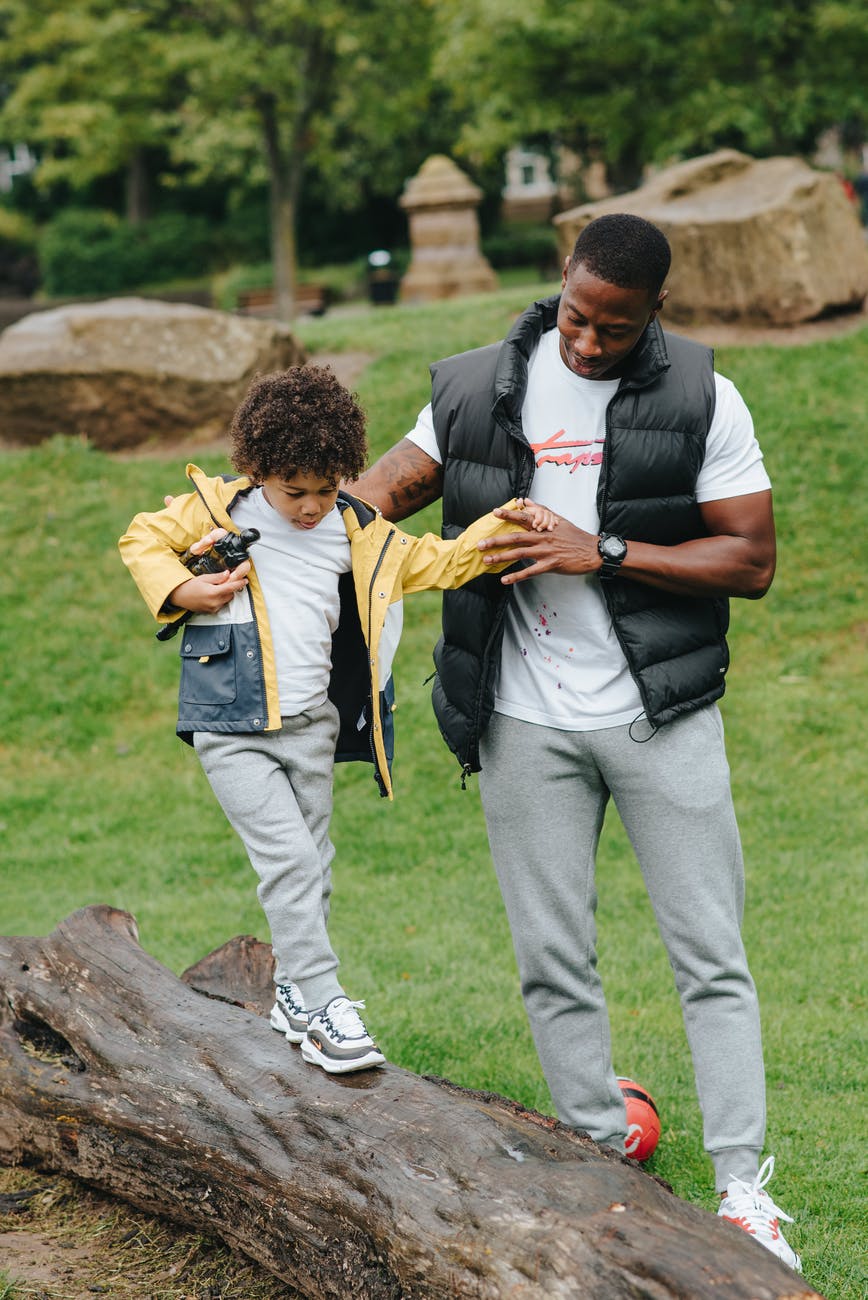
Introducing a new EASEYS for ASN which explores an inclusive approach to outdoor learning and play experiences.
This document contains a range of ideas and suggestions to consider when planning for and with the children in your setting. It could also support a discussion with parents, professionals and the community around the spaces, experiences and interactions you provide.
We have created a new tab within our site menu called Supporting Families. Within this section you can find useful information for parents and carers on various topics related to Additional Support Needs.
There is also a Signposting directory which reflects the Highland and Scottish context of support available to families.
This new menu will be added to as other links are highlighted to us. If you would like to see something added in, please use the comments section below to contact us.


This is the work of our colleagues in Aberdeenshire. It has some great reminders of how to look after yourself and how to support your own wellbeing and that of your colleagues.
We thought it would be useful to share their link with you, especially at this time, as we approach the start of the winter.

During this pandemic, many of us have been feeling anxious and worried for ourselves, our children and the future. In schools, it has been difficult to plan, to support and to get into a routine or pattern that feels ‘normal’ – because it isn’t ‘normal’ (whatever that was). The multiplicity of feelings we have might be more easily managed if we label them as feelings of grief or loss. The world has changed. We know this is temporary, but it sometimes doesn’t feel like that. We have lost our usual benchmarks and the loss of connection with family and friends means that our usual supports are not always there. This is hitting us and we’re grieving.
You might have noticed that over the last few months you have gone through the classic five stages of grief (denial, anger, bargaining, sadness, acceptance). You also might have been aware of anticipatory grief and anxiety – that feeling we get about what the future holds when we’re uncertain. Our primitive brain senses that lack of safety.
Understanding the stages of grief might be helpful, but remember, the stages aren’t linear and may not happen in this order. There’s denial: This virus won’t affect us. There’s anger: You’re making me stay home and taking away my activities. There’s bargaining: Okay, if I social distance for two weeks everything will be better, right? There’s sadness: I don’t know when this will end. And finally there’s acceptance. This is happening; I have to figure out how to proceed.
Acceptance, as you might imagine, is where the power lies. We find control in acceptance. I can wash my hands. I can keep a safe distance. I can learn how to work virtually.
Unhealthy anticipatory grief is really anxiety, and that’s what gives us the physical pain and the racing mind we might be experiencing – imagining the worst. Our goal is not to try to make this go away. Your mind won’t let you do that and it can be painful to try and force it. The goal is to find balance in the things you’re thinking. To calm yourself, you want to come into the present. This will be familiar advice to anyone who has meditated or practiced mindfulness, but it can be done very simply. You can name five things in the room. There’s a computer, a chair, a picture of the dog, an old rug, and a coffee mug. It’s that simple. Breathe. Realize that in the present moment, nothing you’ve anticipated has happened. In this moment, you’re okay. You have food. You are not sick. Use your senses and think about what they feel. The desk is hard. The blanket is soft. I can feel the breath coming into my nose. This really will work to dampen some of that pain.
You can also think about how to let go of what you can’t control.
Everyone will have different levels of fear and grief and it manifests in different ways. If you continue to feel overwhelmed with grief, keep trying. There is something powerful about naming this as grief. It helps us feel what’s inside of us. When you name it, you feel it and it moves through you. It’s important we acknowledge what we go through. We tell ourselves things like, I feel sad, but I shouldn’t feel that; other people have it worse. Stop at the first feeling. I feel sad. Let me go for five minutes feeling sad. Our work is to feel our sadness and fear and anger whether or not someone else is feeling something. Fighting it doesn’t help because our bodies are producing the feeling. If we allow the feelings to happen, they’ll happen in an orderly way, and it empowers us. Then we’re not victims.
Sometimes we try not to feel what we’re feeling because we have a fear of being overpowered by them. If I feel sad and let that in, it’ll never go away. The truth is a feeling will move through us. We feel it and it goes and then we go to the next feeling. It’s absurd to think we shouldn’t feel grief right now. Let yourself feel the grief and keep going.
Bernadette Cairns, Principal Educational Psychologist
This paper (written by Victoria Shepherd, an Educational Psychologist working in Highland) shares research carried out within Scotland exploring peer support for secondary pupils with experience of self-harm. It is widely suggested that friends are a main source of support for young people who self-harm, yet limited research explores specific supports offered by friends, or any help required to provide successful support. Qualitative data were gathered from secondary pupils via semi-structured interviews. Findings indicated that friends provide support by being directly there for young people, providing distractions and taking responsibility. Friends could consider young people’s perspectives more, initiate conversations about self-harm and spend more time with young people. Supportive friends speak to others for reassurance and would like additional people to provide support. Implications for practice included highlighting support provided by friends, normalising the term ‘self-harm’ and providing peer support training for friends.
 Highland Council Psychological Service